2025-12-28 • Hassan Nahid
Creating an Enjoyable Learning Platform Using Modern Web Technologies
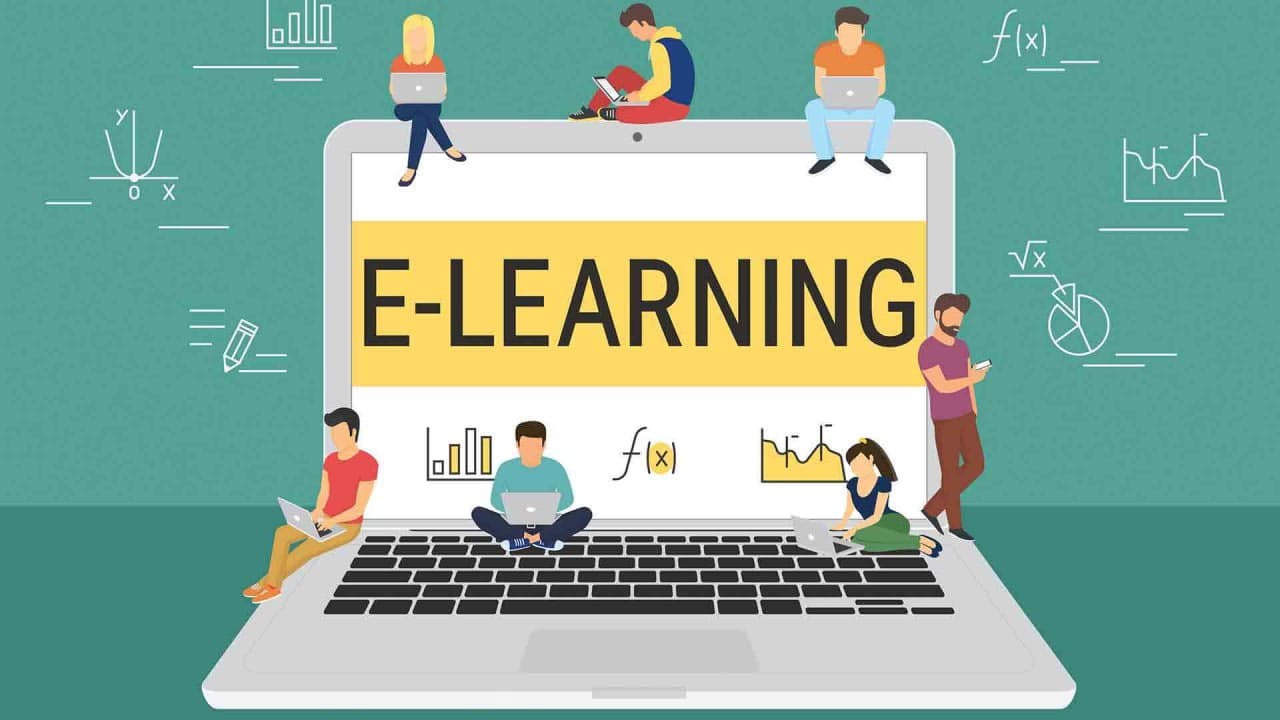
Creating an Enjoyable Learning Platform Using Modern Web Technologies In an era where information is abundant but attention is fleeting, the way we learn has become just as important as what we learn. Traditional, static online courses often struggle to maintain engagement, leading to high dropout rates. This is where modern web technologies step in, offering powerful tools to craft dynamic, interactive, and genuinely enjoyable learning platforms.
Imagine a platform that adapts to your pace, rewards your progress, and connects you with a global community of learners. This isn't a futuristic dream; it's a tangible reality made possible by the innovation in today's web development landscape.
1. The Foundation: User Experience (UX) First
Before diving into code, the cornerstone of any successful learning platform is an intuitive and delightful User Experience (UX). A poor UX can quickly frustrate users, regardless of how good the content is.
Key Principles for UX:
Practical insight: Conduct user research early and often. Prototype designs and gather feedback from target learners to validate your UX choices before significant development.
2. Powering the Frontend: Rich & Interactive Interfaces
The frontend is where the magic of engagement happens. Modern JavaScript frameworks allow us to build highly dynamic and responsive user interfaces that keep learners hooked.
Modern Frontend Frameworks:
These frameworks enable features like real-time progress updates, interactive quizzes, drag-and-drop exercises, and animated feedback.
// Example: A simplified interactive lesson component in React
import React, { useState } from 'react';

function InteractiveLesson({ title, content, quizQuestion, correctAnswer }) {
  const [answer, setAnswer] = useState('');
  const [feedback, setFeedback] = useState('');

  const handleSubmit = () => {
    if (answer.toLowerCase() === correctAnswer.toLowerCase()) {
      setFeedback('Correct! Great job.');
    } else {
      setFeedback('Not quite. Try again!');
    }
  };

  return (
    <div className="lesson-container">
      <h2>{title}</h2>
      <p>{content}</p>
      {quizQuestion && (
        <div className="quiz-section">
          <h3>Quiz:</h3>
          <p>{quizQuestion}</p>
          <input
            type="text"
            value={answer}
            onChange={(e) => setAnswer(e.target.value)}
            placeholder="Your answer"
          />
          <button onClick={handleSubmit}>Submit Answer</button>
          <p className="feedback">{feedback}</p>
        </div>
      )}
    </div>
  );
}

export default InteractiveLesson;
3. Robust Backend & Scalable Data Management
The backend is the engine, handling user authentication, course content management, progress tracking, and delivering data to the frontend efficiently.
Backend Technologies:
Database Choices:
API Design: RESTful APIs or GraphQL are crucial for efficient communication between frontend and backend. GraphQL allows the frontend to request precisely the data it needs, reducing over-fetching.
4. Enhancing Engagement: Beyond the Basics
To truly create an enjoyable platform, we need to go beyond simply delivering content.
Gamification & Progress Tracking
Collaborative Learning & Community Features
Learning is often more effective and enjoyable when shared.
Personalized Learning Paths & AI Integration
Multimedia & Interactive Content
5. Deployment & Performance Considerations
Once built, your platform needs to be delivered reliably and quickly to users worldwide.
Conclusion
Creating an enjoyable learning platform using modern web technologies is an exciting journey that blends robust engineering with thoughtful design. By prioritizing user experience, leveraging powerful frontend and backend frameworks, and integrating features that enhance engagement and personalization, we can move beyond mere information delivery.
The future of education is interactive, personalized, and deeply engaging. With the right blend of technology and pedagogical understanding, developers and educators can together build platforms that not only educate but truly inspire a lifelong love of learning. Start small, iterate often, and always keep the learner at the heart of your design process."